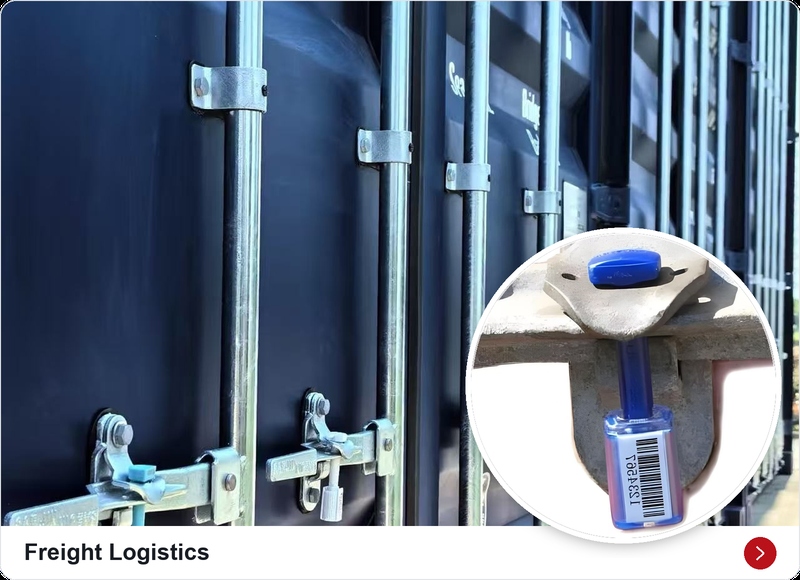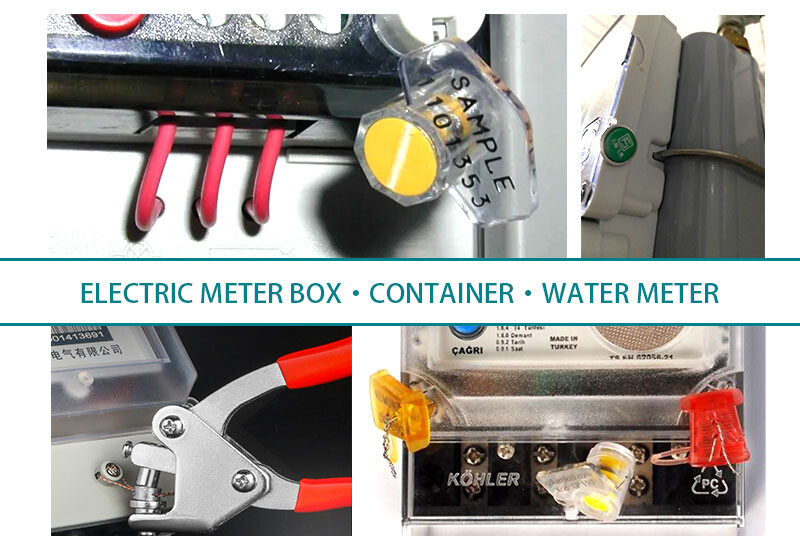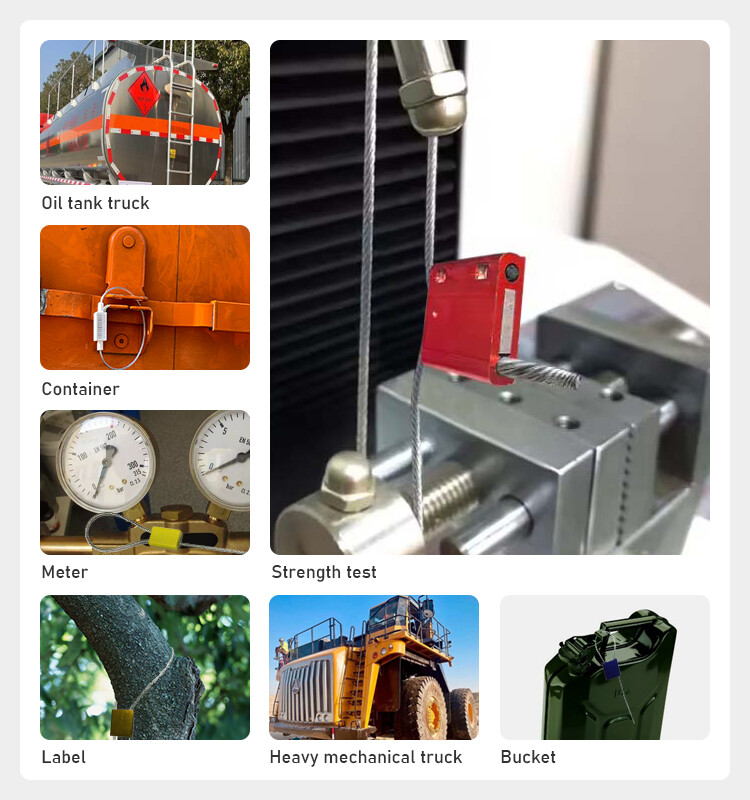
A shipping container seal is a small component, but it plays an important role in cargo security. It gives logistics teams a simple way to show whether a container, truck door, valve, meter or other access point has been opened after the seal was applied. The right seal can support a clear handover process, while the wrong seal may be difficult to inspect, unsuitable for the application or inefficient for the operating team.
The best choice depends on more than the seal's appearance. Buyers should consider the access point, the level of tamper evidence required, the environment, the inspection process, the need for variable identification and whether digital tracking is part of the workflow. Dingxin supplies cable seals, bolt seals, plastic seals, meter seals, padlock seals, metal strap seals, RFID seals and barrier seals for different security applications. This guide explains how to compare these options before placing an order.
Start with the Access Point, Not the Product Name
The first question is where the seal will be installed. Container doors, truck bodies, warehouse cages, utility meters and fire equipment do not have the same structure. A seal designed for a locking bar may not be the most practical option for a narrow hole, a flexible hasp or a location that must be checked frequently.
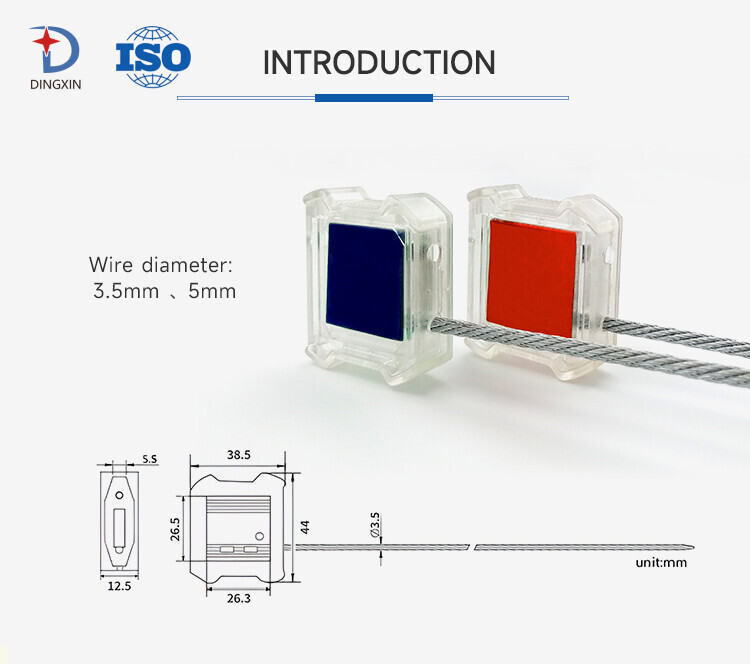
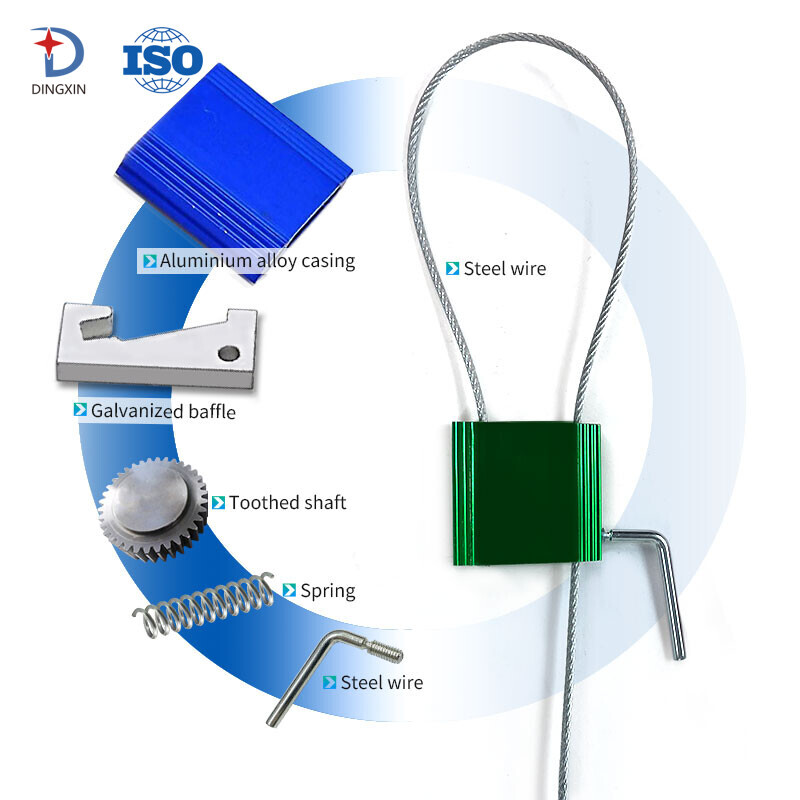
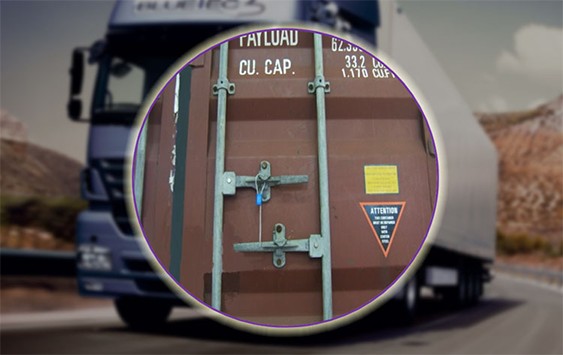
For standard container doors, buyers commonly compare bolt seals and cable seals. A bolt seal is designed to work with the locking mechanism of a container and is often selected when a rigid, highly visible seal is required. A cable seal is more flexible because its cable can pass through different openings and around irregular access points. That flexibility can be useful for transport equipment, gates and industrial enclosures.
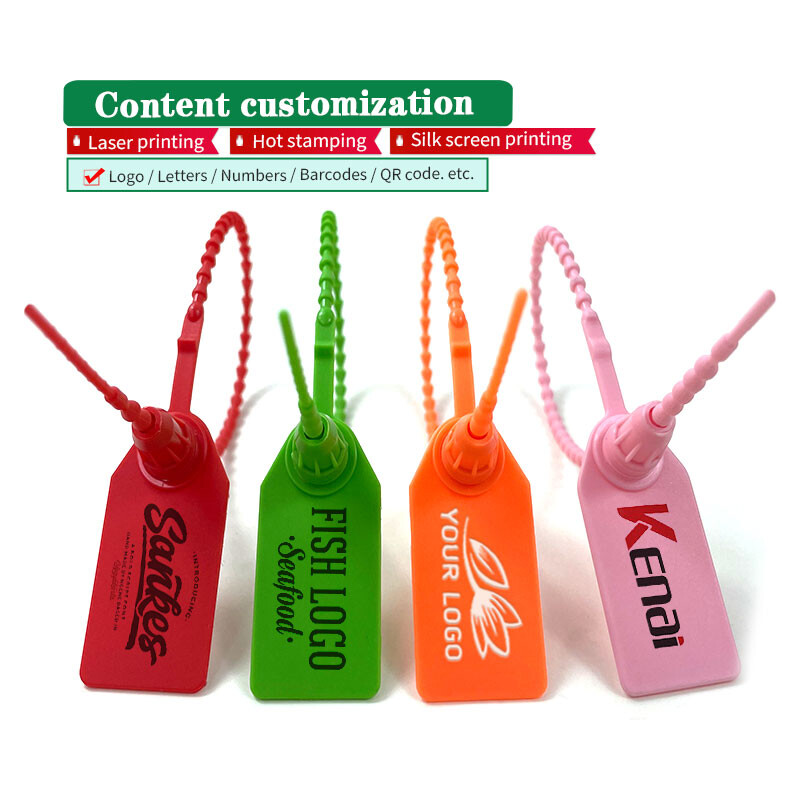
Plastic seals and metal strap seals are often considered when the priority is fast visual inspection and high-volume application. They can support identification through printed numbers, barcodes or other markings when the specific product configuration provides them. Meter seals are designed for controlled access to meters and similar equipment, while padlock seals and barrier seals are suitable for applications that require a different physical format.
Before comparing prices, make a list of every point that must be sealed. The list should include the equipment type, available opening, installation direction, removal method and the person responsible for inspection. This simple step prevents a purchasing team from selecting a seal based only on a catalogue photo.
Match the Seal to the Required Level of Tamper Evidence
Security seals do not replace a mechanical lock or a complete cargo-security procedure. Their main purpose is to provide visible or detectable evidence that an access point may have been opened or interfered with. The required level of tamper evidence depends on the value of the cargo, the route, the number of handovers and the consequences of an unexplained seal change.
For a container moving through several terminals, a bolt seal can provide a clear, rigid closure indicator at the door locking bars. A cable seal may be more appropriate when the installation point is not limited to a standard container hole. For lower-risk internal controls, a plastic seal may provide a practical visual check at a reasonable operating cost. In a regulated or high-value workflow, a company may choose a seal with stronger physical construction, controlled numbering, depending on its operating requirements.
The inspection method is just as important as the product. Decide what the receiving team will record: seal number, condition, container number, arrival time, delivery reference and any sign of damage. If a seal is broken, missing or does not match the dispatch record, the procedure should explain who is notified and what evidence is retained. A seal becomes more useful when the organization has a consistent response to an exception.
Buyers should also distinguish between a seal that is intended to be removed by cutting and a seal that is intended to be broken by hand. The correct choice depends on the application and the tools available to the team. Clear removal instructions reduce the chance of damage to the equipment or delays at the receiving point.
Consider the Environment and Handling Conditions
A seal used outdoors may face rain, dust, temperature changes, vibration and repeated handling. A seal used inside a warehouse may face a different set of conditions. The material, structure and identification method should be considered together rather than evaluated separately.
Metal components can be suitable when a rigid construction is required, while plastic components may offer a lightweight and highly visible option. Cable seals are useful when the cable must pass through a flexible route, but the cable length and installation space should be confirmed before ordering. For containers and transport equipment, the seal should remain visible after installation and should not interfere with the normal movement of the door or locking bar.
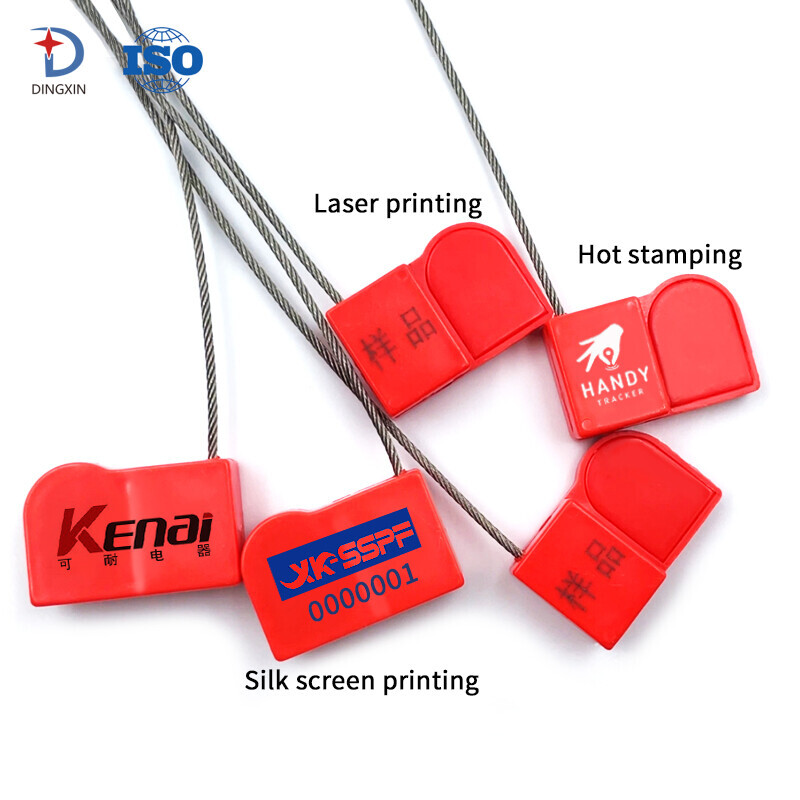
Identification also needs to remain practical in the working environment. If an operator must read a number from a distance, a clear marking area can save time. If the seal is inspected with a handheld device, the selected identification method must match the reader and software process already used by the company. Avoid adding a digital requirement unless the team has a defined way to use the data.
Ask the supplier for relevant product drawings, available sizes, marking options and installation guidance. These documents help the engineering, procurement and warehouse teams evaluate the same product using the same information. They are especially useful when a security seal will be used across multiple countries or by several third-party logistics partners.
Build a Practical Selection Checklist
Before sending an inquiry, prepare the following information:
- Application: container door, truck, warehouse, meter, valve, cage or another access point.
- Seal format: bolt, cable, plastic, metal strap, padlock, barrier, meter seal.
- Installation details: opening size, installation direction, available space and removal method.
- Inspection method: visual check, number recording, barcode scanning.
- Marking requirements: sequential numbering, logo, colour, barcode or other identification.
- Operating conditions: outdoor exposure, dust, moisture, vibration and handling frequency.
- Order information: estimated quantity, packaging preference, delivery destination and required timeline.
- Quality documents: product drawing, material information, sample approval and inspection arrangement.
This checklist makes supplier communication more precise and helps avoid repeated questions after a quotation has been issued. It also gives the buyer a basis for comparing different offers. The lowest unit price is not always the lowest operating cost if a seal is difficult to install, hard to read or unsuitable for the receiving process.
The right shipping container seal should fit the physical access point, the required level of tamper evidence and the way the organization records shipment information. By defining these factors first, importers, freight forwarders, manufacturers and logistics providers can choose a product that supports both cargo security and efficient daily operations.
For help selecting a cable seal, bolt seal, plastic seal, metal seal for your application, contact Dingxin with the equipment type, installation details and identification requirements.
SEARCH
 High-security Shipping Container Seals
 Why Meter Seals Matter?
 How to Choose the Right Shipping Container Seal for Your Cargo
- 2026 Asia Logistics Double Year Exhibition
 The trip to Vietnam was truly rewarding
 Foreign Customers Visit Dingxin Factory
 The Importance of Security Seals in Modern Industry
 Merry Christmas!
 Introduction to Plastic Seals Applied to Fire Extinguishers
 Exploring the Features of the Transparent Plastic-Covered Aluminum Cable Seal
- About Steel wire cable seal with crank
- About DX-RFID cable seal